 Free Shipping
 2-Year Warranty
 30-Day Money Back Guarantee


Smoke, Mold, or Allergies? What's Causing Your Symptoms?

Waking up with a stuffy nose, scratchy throat, watery eyes, coughing, or a lingering headache can leave you wondering what's affecting the air inside your home. Unfortunately, smoke, mold, and airborne allergens can cause similar indoor air quality symptoms, making it difficult to identify the source based on symptoms alone.
The best place to start is by looking for patterns. When do your symptoms appear? Are they worse in certain rooms? Do they improve when you leave the house? Have you noticed smoke, musty odors, excess moisture, pets, dust, or seasonal changes?
These environmental clues can help you narrow down potential indoor air quality problems and determine which steps may improve the air in your home.

Smoke Symptoms: Look for an Obvious Environmental Trigger
Indoor smoke can come from cooking, fireplaces, wood-burning stoves, candles, tobacco, and wildfire or other outdoor smoke entering the home.
Smoke particles and odors can irritate the eyes, nose, and throat. Common complaints may include:
- Coughing
- Scratchy or irritated throat
- Watery or irritated eyes
- Headaches
- Lingering smoke odors
One of the strongest clues is timing. If symptoms become noticeable shortly after cooking, using a fireplace, lighting candles, or being exposed to another source of smoke, the cause may be easier to identify.
Source control and ventilation should come first. Use kitchen exhaust when cooking, properly maintain fireplaces and combustion appliances, and address sources that are allowing smoke into your living space.
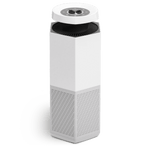
An air purifier for smoke and odors can also be part of a broader indoor air quality strategy. Puraclenz Core combines PCO purification, activated carbon, UV-C, and H13 True HEPA filtration. It is designed to address indoor pollutants including smoke, VOCs, odors, dust, pollen, pet dander, and other airborne contaminants.
Mold Symptoms: Look for Moisture and Musty Odors
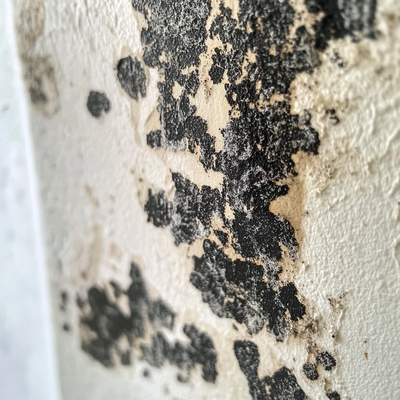
Mold can be more difficult to identify because growth is not always visible. Moisture problems, previous water damage, damp areas, condensation, and persistent musty odors can all indicate conditions where mold may be present.
Exposure to mold may be associated with respiratory complaints such as coughing, wheezing, and shortness of breath. However, these symptoms can have many possible causes, so symptoms alone cannot confirm that mold is present in your home.
Instead, look for environmental clues such as:
- Persistent musty or earthy odors
- Visible mold growth or staining
- Recent leaks, flooding, or water damage
- Condensation around windows or other surfaces
- Damp basements, bathrooms, crawl spaces, or utility areas
- Moisture problems that repeatedly return after cleaning
If mold is suspected, addressing the moisture source is essential. An air purifier should not replace repairing leaks, drying wet materials, improving ventilation, or correcting the underlying moisture problem.
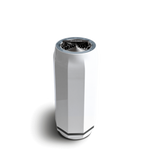
For homes concerned about airborne mold spores and musty odors, Puraclenz Photon uses PCO purification and is designed to treat pollutants in the air and on exposed surfaces. Puraclenz reports laboratory testing demonstrating reductions of specific mold species.
Allergy Symptoms: Consider Airborne Allergens
Indoor allergy symptoms can overlap with both smoke and mold exposure. Common allergy-related complaints may include:
- Sneezing
- Runny or stuffy nose
- Itchy or watery eyes
- Throat irritation
- Coughing
Common indoor allergens include pollen carried inside from outdoors, pet dander, household dust, dust mites, and cockroach debris. Seasonal changes can also affect indoor air, particularly when windows are open or pollen is carried inside on clothing, shoes, and pets.
Look for repeating patterns. Do symptoms become worse after cleaning, spending time around pets, opening windows, sleeping in a particular bedroom, or during periods of high outdoor pollen?
These patterns may help identify likely triggers, although persistent, severe, or unexplained symptoms should be discussed with an appropriate healthcare professional.
For airborne particles, a HEPA air purifier for allergies can be one option to consider. Core uses H13 True HEPA filtration, which is designed to trap 99.97% of particles down to 0.1 micron. Its filtration system addresses particles such as pollen, pet dander, dust, and other airborne allergens.
Smoke vs. Mold vs. Allergies: How to Tell the Difference
| Clue | Smoke | Mold | Allergies |
|---|---|---|---|
| Odor | Smoke or burning odor is often noticeable | Musty or earthy odor may be present | Usually no distinctive odor |
| Moisture connection | Usually unrelated | Often an important clue | Usually unrelated |
| Seasonal pattern | Depends on the smoke source | May change with humidity and moisture | Often worse during pollen seasons |
| Common indoor clues | Cooking, fireplaces, candles, tobacco, wildfire smoke | Damp areas, leaks, water damage, musty odors | Pets, dust, pollen, dust mites |
| Best first step | Identify and reduce the smoke source | Find and correct the moisture source | Identify and reduce likely allergens |
Can You Have Mold, Smoke, and Allergies at the Same Time?
Yes. Indoor air rarely contains only one type of pollutant.
A home may contain dust and pet dander while also experiencing seasonal pollen, cooking smoke, odors, VOCs, or a moisture-related mold problem. Symptoms may therefore have more than one contributing factor.
This is why it can be more helpful to choose an air purifier based on the types of indoor pollutants you want to address rather than trying to match a purifier to one specific symptom.
Core is the broader option of the two systems. It combines PCO purification with H13 True HEPA filtration, activated carbon, and UV-C technology. Puraclenz lists coverage of up to 3,000 square feet for PCO purification and up to 1,575 square feet for HEPA filtration.
Photon focuses on PCO-based air-and-surface purification and is designed for spaces up to 3,000 square feet.
Are Air Purifiers Worth It for Indoor Air Quality?
If you're wondering whether air purifiers are worth it, the answer depends on the pollutants you are trying to remove or reduce.
An air purifier can be a useful part of an indoor air quality strategy when airborne particles, smoke, odors, allergens, or other pollutants are affecting your home. However, air purification works best alongside other measures such as:
- Removing or reducing the pollution source
- Improving ventilation
- Controlling indoor humidity and moisture
- Repairing leaks and water damage
- Regular cleaning and dust removal
For particle-focused filtration, look for clear specifications describing what the filter captures. For example, Core's H13 True HEPA filtration captures airborne particles, while activated carbon helps address odors and certain gaseous pollutants.
PCO purification provides another approach by treating pollutants beyond the immediate airflow passing through a traditional filter.
Core vs. Photon: Which Air Purifier Is Right for You?
Core may be the better fit if you want an air purifier that addresses a broad combination of airborne particles, smoke, odors, VOCs, pet dander, pollen, dust, and mold-related pollutants.
Core combines:
- H13 True HEPA filtration
- Activated carbon
- UV-C
- PCO purification
Photon may be a better option if your priority is PCO-based purification with air-and-surface coverage in a compact system. Photon is designed for spaces up to 3,000 square feet.
For shoppers looking for a quiet air purifier for a bedroom or office, Core's published operating noise level is 23 dB, making noise performance another useful factor to consider.
Don't Diagnose Your Home Based on Symptoms Alone
Smoke, mold, and allergy symptoms frequently overlap. That makes it difficult to determine the cause of indoor air quality problems based solely on how you feel.
Instead, examine the environment as a whole. Look for:
- Smoke or combustion sources
- Musty or unusual odors
- Visible mold
- Leaks or water damage
- Excess humidity or condensation
- Pets and pet dander
- Dust buildup
- Seasonal pollen
- Recent changes inside the home
If symptoms are persistent, severe, or interfere with daily life, consult an appropriate healthcare professional. If you suspect mold, moisture damage, or another environmental problem, consider having the home evaluated as well.
The goal is not simply to purchase an air purifier. The most effective approach is to identify the likely source of indoor air pollution, address that source when possible, and then choose an air purification system that matches the conditions in your home.

Final Takeaway: Smoke, Mold, or Allergies?
When comparing smoke, mold, and allergy symptoms, the environment often provides the most useful clues.
Smoke symptoms are typically associated with an identifiable smoke source or odor. Mold concerns are more likely to involve moisture, water damage, or musty smells. Allergy symptoms may appear after exposure to pollen, pets, dust, or other airborne allergens and may follow seasonal patterns.
If several types of indoor pollutants are a concern, Puraclenz Core combines PCO purification, H13 True HEPA filtration, activated carbon, and UV-C technology in one system. Puraclenz Photon provides PCO-based air-and-surface purification for spaces up to 3,000 square feet.
Identifying and controlling the pollutant source should always come first. Air purification can then become one part of a broader strategy for improving indoor air quality.
Recommended products

Core Air & Surface Purifier + HEPA
$487.49

Photon Air & Surface Purifier
$299.99
Recommended articles

