 Free Shipping
 2-Year Warranty
 30-Day Money Back Guarantee


Common Signs Your Home Has a Mold Problem

Mold problems inside a home are often hidden long before visible growth appears. Many homeowners do not realize there is an issue until odors, surface changes, or air quality concerns become impossible to ignore. Understanding the early warning signs can help you identify a potential mold issue and take steps to reduce indoor pollutants.
Persistent Musty or Earthy Odors
One of the most common indicators of a mold problem is a persistent musty smell. These odors often come from microbial growth inside walls, under flooring, or in HVAC systems. Even if no visible growth is present, airborne spores and microbial fragments can circulate through the home and affect indoor air quality.

Visible Mold Stains or Discoloration
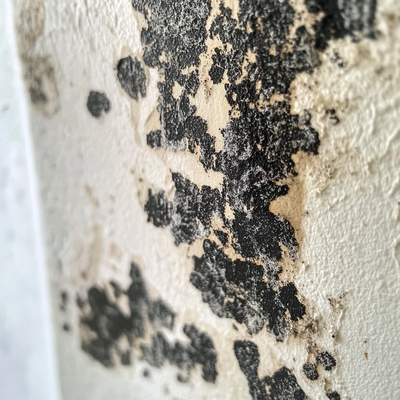
Dark spots, staining, or discoloration on walls, ceilings, baseboards, or around windows may indicate active or previous mold growth. Mold stains can appear black, green, brown, or white and often develop in areas exposed to moisture, such as bathrooms, basements, laundry rooms, or near roof leaks.

Excess Moisture or Water Damage
Homes with ongoing moisture issues are more likely to experience mold growth. Signs include condensation on windows, peeling paint, bubbling drywall, warped wood, or past flooding. Even after visible water damage is repaired, residual moisture can allow microbial growth to continue inside building materials.
Allergy-Like Reactions Indoors
If occupants notice increased sneezing, coughing, watery eyes, or irritation that improves when leaving the home, indoor pollutants may be contributing factors. Mold spores, fragments, and other allergens can remain suspended in the air and circulate throughout living spaces.

HVAC and Ventilation Issues
Heating and cooling systems can distribute mold spores throughout a home if growth is present inside ductwork or near air handlers. Dust that accumulates quickly around vents, combined with recurring odors when the system runs, may indicate microbial contamination within the system.
Do Air Purifiers Help With Mold1?
Many homeowners ask, do air purifiers help with mold 1? While no device replaces proper moisture control or remediation, air purifiers for mold 1 can help reduce airborne spores and other pollutants circulating in indoor air.
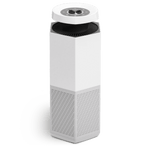
A mold 1 air purifier that combines advanced purification technologies can address both particles and microscopic contaminants in the air. Systems that integrate HEPA filtration with PCO purification help reduce mold 1 spores, bacteria 3, viruses 2, and allergens 4 as air passes through the unit.
How Puraclenz Supports Mold1-Focused Air Purification
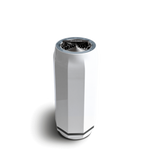
Puraclenz air purifiers for mold 1 are designed to reduce airborne pollutants associated with mold 1 concerns. PCO purification works alongside high-efficiency filtration to inactivate mold 1 spores in the air and reduce the spread of fungal allergens 1 throughout the home.
By continuously purifying the air in occupied spaces, a properly sized air purifier for mold 1 can help improve overall indoor air conditions while long-term moisture and building issues are addressed.

When to Take Action
If multiple signs appear at once, such as odors, stains, and persistent moisture, it may be time to consult a qualified inspection professional. Combining source control with air purification can play an important role in reducing indoor pollutants during and after corrective steps are taken.
Recommended products

Core Air & Surface Purifier + HEPA
$649.99

Photon Air & Surface Purifier
$399.99
Recommended articles

