 Free Shipping
 2-Year Warranty
 30-Day Money Back Guarantee


What a Whole House Air Purifier Really Means (And What It Doesn’t)

The term whole house air purifier is widely used, heavily searched and often misunderstood. Many homeowners assume it means a single system that instantly purifies every room at once. In reality, whole-home purification works very differently depending on the technology used and how it is installed.
This article breaks down what a whole house air purifier actually means, how it compares to a whole home air purifier and what to realistically expect when researching the best whole house air purifier for your space.
What People Usually Mean by “Whole House Air Purifier”
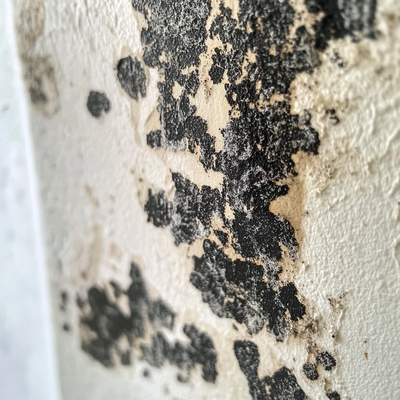
When someone searches for a whole house air purifier, they are typically looking for a solution that addresses indoor air quality beyond one room. This includes airborne pollutants that circulate through the home such as dust, odors, mold 1 spores, bacteria 3 and viruses 2.
The confusion comes from the assumption that “whole house” refers to a single large machine that purifies everything instantly. In practice, whole-house purification usually falls into two categories.
- HVAC-integrated purification systems
- Distributed purification using advanced air-cleaning technology
Understanding the difference is critical before choosing a solution.

HVAC-Integrated Whole Home Air Purifiers
An HVAC-integrated system is installed directly into the heating and cooling system. As air moves through the ductwork, it passes through a purification chamber or filter.
These systems depend entirely on HVAC runtime. If the system is not running, purification is not occurring. Coverage is also influenced by duct design, airflow balance and how often doors and vents are closed.
HVAC-based systems can reduce circulating pollutants, but they are limited to air that physically passes through the ducts. They do not actively treat surfaces or stagnant air in individual rooms.
Distributed Purification and Whole-House Coverage
Another approach to whole-house purification focuses on treating the air itself as it moves naturally throughout the home. This method does not rely on constant HVAC operation.
Advanced PCO purification technology releases calibrated purification molecules that disperse into occupied spaces. These molecules interact with airborne pollutants and surface contaminants, reducing odors, allergens 4 and microbial particles such as mold 1 and bacteria 3.
Rather than pulling air into a box, this approach allows purification to occur throughout open areas, hallways and connected rooms. This is why many homeowners now associate distributed systems with the idea of a whole house air purifier.
What a Whole House Air Purifier Does Not Do
A common misconception is that any whole home air purifier will instantly clean every corner of a house at the same rate. No system works that way.
Whole-house purification does not mean:
- Instant purification in every room simultaneously
- Complete removal of all pollutants
- A replacement for regular cleaning or ventilation
- A one-size-fits-all solution for every floor plan
Understanding these limits helps set realistic expectations and leads to better purchasing decisions.
What to Look for in the Best Whole House Air Purifier
When comparing options, focus less on marketing language and more on functional coverage. Key factors include:
- Ability to treat air beyond a single room
- Effectiveness against odors, mold 1, mildew, bacteria 3, and viruses 2
- Compatibility with existing HVAC systems or standalone use
- Proven purification technology such as PCO purification
- Low maintenance and continuous operation
The best whole house air purifier is the one that aligns with how air actually moves through your home, not just how it looks on a product label.

How Puraclenz Fits into Whole-House Purification
Puraclenz products are designed around advanced PCO purification technology that works within occupied spaces rather than relying solely on filtration. By distributing purification molecules, Puraclenz systems address airborne pollutants and surface-level contaminants throughout connected areas of the home.
This approach supports whole-house coverage without requiring constant HVAC runtime, making it a practical option for homeowners seeking a true whole home air purifier experience.
Final Thoughts
The phrase “whole house air purifier” is often used loosely, but understanding what it truly means can save time, money, and frustration. Whole-house purification is not about size alone. It is about how purification is delivered, where it works, and how consistently it operates.
By focusing on technology, coverage method, and realistic expectations, homeowners can make informed decisions and choose a solution that truly fits their indoor air quality goals.
Recommended products

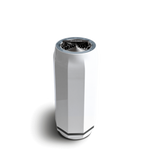
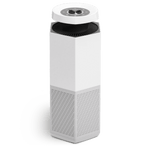
Core Air & Surface Purifier + HEPA
$649.99

Photon Air & Surface Purifier
$399.99
Recommended articles

