 Free Shipping
 2-Year Warranty
 30-Day Money Back Guarantee


Fall Home Maintenance Checklist for Better Indoor Air

As summer transitions into fall, your home’s indoor environment can change quickly. Windows stay closed more often, HVAC systems shift from cooling to heating, and dust, pollen, odors, and other indoor pollutants may become more noticeable.
Following a simple fall indoor air checklist can help you identify areas that need attention before colder weather arrives. From HVAC maintenance and moisture checks to cleaning and air purification, these seasonal tasks can help support better indoor air throughout the fall and winter.
Why Fall Is a Good Time to Check Your Indoor Air
The change from summer to fall is a natural time to review your home maintenance routine. Months of warmer weather can leave behind accumulated dust, outdoor particles, moisture, and lingering odors. At the same time, homes typically rely less on open windows and more on HVAC systems for indoor air circulation.
This seasonal shift makes fall an ideal time to inspect your HVAC filter, check moisture-prone areas, clean dust-collecting surfaces, review airflow, and make sure your air purifier is ready for increased indoor use.

1. Inspect and Replace Your HVAC Filter
Your HVAC system circulates air throughout your home, making its filter one of the first items to check during fall maintenance. Inspect the filter for visible dust and buildup, and replace it according to the manufacturer’s recommendations.
A clogged or heavily loaded filter can restrict airflow and place additional demand on your HVAC system. Regular filter checks are a simple way to help maintain consistent indoor airflow as your home transitions into the heating season.
2. Check Moisture-Prone Areas
Fall is also a good time to inspect areas where moisture may have accumulated during warmer months. Check beneath sinks, around plumbing connections, near appliances, inside bathrooms, and throughout basements or crawl spaces.
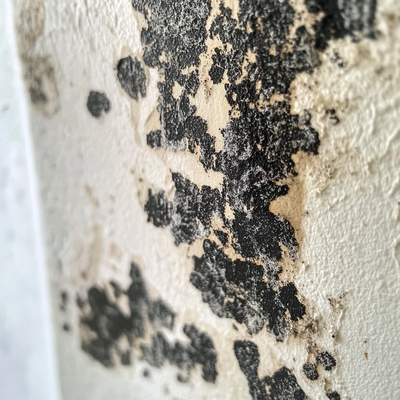
Look for recurring condensation, damp surfaces, musty odors, or signs of water intrusion. If you notice visible mold 1 or an ongoing moisture problem, address the source rather than relying on an air purifier alone.
Moisture management, proper cleaning, ventilation, and air purification can each play a different role in maintaining a healthier indoor environment.
3. Clean Dust-Collecting Surfaces
Dust can accumulate on shelves, furniture, vents, baseboards, and other surfaces throughout the home. Before you begin spending more time indoors, give these areas a thorough cleaning.
Do not overlook less obvious locations such as behind furniture, around return vents, beneath beds, and near electronics. Removing settled dust can reduce the amount of material available to become airborne as people move through the room.
4. Review Your Home’s Airflow
Good airflow is an important part of any fall indoor air quality checklist. Make sure supply and return vents are not blocked by furniture, curtains, rugs, or storage items.
If you use an air purifier, placement matters as well. Leave enough space around the unit for air to circulate freely, and consider the size and layout of the room when deciding where your purifier should operate.
5. Check Your Air Purifier Filter
If an air purifier is already part of your home routine, fall is a convenient time to inspect its filter and review its operating settings.
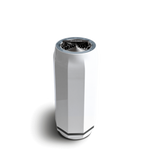
Puraclenz Core combines an H13 True HEPA filter with PCO purification, activated carbon, and UV-C technology. According to Puraclenz, the H13 True HEPA filter traps 99.97% of dust, pollen, pet dander, allergens 4, bacteria 3, and mold 1 down to 0.1 micron.
The Core filter is designed for replacement every 4–6 months depending on the air quality of the installation space, assuming continuous 24/7 operation.
For homeowners looking for an air purifier with a HEPA filter, the Core combines mechanical filtration with several additional purification technologies in one system.
6. Consider What You Want Your Air Purifier to Address
Every home has different indoor air concerns. Some households may be focused primarily on dust and pollen, while others may also be dealing with smoke, odors, VOCs, pet dander, or moisture-related issues.
If you are wondering whether air purifiers are worth it, start by identifying the pollutants you want to address. Then consider the size of your space, the purification technologies used, filter requirements, and how consistently you plan to operate the unit.
The Core is designed as a 2-in-1 True HEPA and PCO system. It uses PCO, activated carbon, UV-C, and True HEPA technologies, providing multiple approaches to indoor air purification in one unit.
7. Address Lingering Indoor Odors
Indoor odors can become more noticeable during fall as homes stay closed for longer periods. Cooking odors, smoke, pet odors, and musty smells may linger when outdoor ventilation is reduced.
Activated carbon and other air purification technologies can be useful parts of an indoor air strategy. The Core combines activated carbon with True HEPA filtration, UV-C, and PCO purification.
If a musty odor continues to return, investigate the underlying source, particularly in moisture-prone areas such as basements, bathrooms, laundry rooms, and spaces around plumbing.
8. Look Beyond Airborne Particles
Traditional filtration primarily addresses particles as they pass through an air purifier. Some homeowners may also want purification designed to address pollutants in the air and on exposed surfaces.
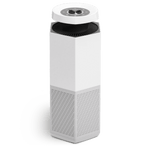
Puraclenz Photon P3000X is an air and surface purifier designed for spaces up to 3,000 square feet. Its patented PCO purification technology produces ions that dynamically deactivate pollutants in mid-air and on surfaces. The Photon also includes five fan speeds and a 4-hour Boost Mode for additional operating flexibility.
The Photon is designed for continuous operation and is positioned by Puraclenz for concerns including mold 1, lingering odors, fungal allergens 1, viruses 2, and bacteria 3.
9. Choose Between the Core and the Photon Based on Your Space
Both the Core and the Photon use PCO purification, but each is designed for different indoor air needs.
The Core combines True HEPA filtration, activated carbon, UV-C, and PCO purification. Its H13 True HEPA filter provides mechanical particle filtration, making it an option for homeowners who want both filtration and PCO purification in a single system.
The Photon is an air and surface purifier designed for spaces up to 3,000 square feet. Its PCO technology works in mid-air and on exposed surfaces, while multiple fan speeds and Boost Mode provide additional operating flexibility.
When choosing an air purifier, focus on finding equipment that fits your room size, airflow, indoor air concerns, and maintenance preferences rather than simply adding more units.
10. Consider Noise and Everyday Use
An air purifier is most useful when it fits comfortably into your everyday routine. If you are searching for a quiet air purifier, consider fan speeds, operating modes, placement, and the room where the purifier will be used.
The Photon includes five fan speeds and a Dark Mode designed for quieter operation and reduced light, giving homeowners additional flexibility when using the system in living areas or bedrooms.
Your Fall Indoor Air Checklist
- Inspect your HVAC filter and replace it as needed.
- Check bathrooms, kitchens, basements, and plumbing areas for moisture.
- Clean dust from vents, furniture, shelves, baseboards, and other surfaces.
- Make sure HVAC supply and return vents are not blocked.
- Inspect your air purifier filter and operating settings.
- Review air purifier placement based on room size and airflow.
- Investigate persistent odors rather than relying on odor reduction alone.
- Consider whether your home needs particle filtration, air purification, or air and surface purification.
- Schedule regular filter maintenance throughout the fall and winter.

Make Fall Maintenance Part of Your Indoor Air Routine
Fall home maintenance does not have to be complicated. Checking HVAC filters, inspecting moisture-prone areas, cleaning accumulated dust, reviewing airflow, and maintaining your air purifier can all become part of a simple seasonal routine.
For homeowners looking to add continuous purification, Puraclenz Core combines True HEPA filtration with PCO, activated carbon, and UV-C technology. Puraclenz Photon provides air and surface PCO purification for spaces up to 3,000 square feet.
Use this fall indoor air checklist as a starting point, then adjust your routine based on your home’s layout, HVAC system, moisture conditions, and indoor air priorities.
Recommended products

Core Air & Surface Purifier + HEPA
$649.99

Photon Air & Surface Purifier
$399.99
Recommended articles

