 Free Shipping
 2-Year Warranty
 30-Day Money Back Guarantee


Do Air Purifiers Help with Musty Basement Odors?
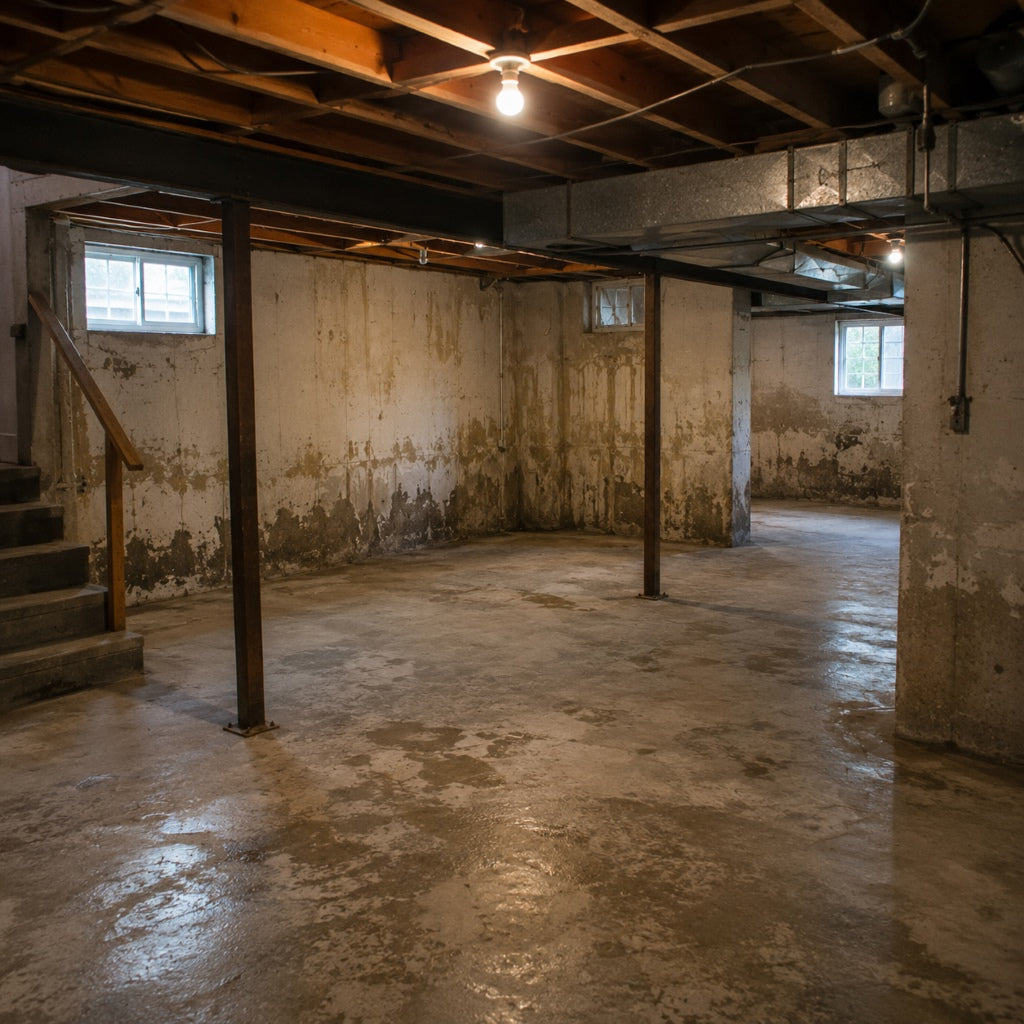
A musty basement smell can be one of the most stubborn indoor odors to eliminate. Even after cleaning, the odor may linger, especially when humidity is high or airflow is limited. This often leads homeowners to ask: do air purifiers help with musty basement odors?
Yes, an air purifier can help reduce lingering basement odors and airborne pollutants. However, air purification works best as part of a broader basement odor-control strategy that also addresses moisture, ventilation, and the source of the smell.
If you are searching for an air purifier for basement smell, understanding what causes musty odors and which air purification technologies can help is an important first step.
What Causes a Musty Smell in a Basement?
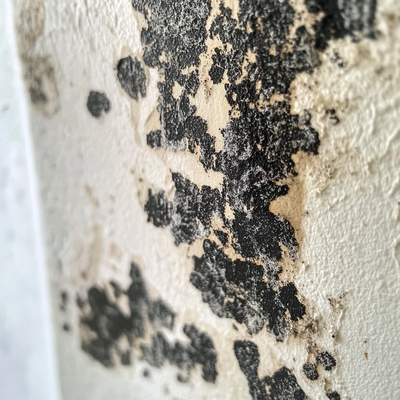
A musty basement odor is often associated with excess moisture, limited airflow, damp building materials, stored belongings, and microbial growth. Basements are particularly vulnerable because they tend to be cooler, darker, and more humid than other areas of the home.
When humidity remains elevated for long periods, porous materials such as cardboard, carpeting, wood, insulation, upholstery, and fabrics can absorb moisture and retain unpleasant odors.
A persistent mold 1 smell should not simply be covered with air fresheners or fragrance. If moisture, water intrusion, or contamination is contributing to the odor, identifying and correcting the source should be the first priority.

Do Air Purifiers Help with Basement Smells?
Yes. Air purifiers can help reduce certain odors by continuously processing indoor air and addressing airborne pollutants that may contribute to unpleasant smells.
How effective an air purifier is for basement odor depends largely on the technology it uses. Different filtration and purification technologies target different types of pollutants.
For example, activated carbon can help address certain odor-causing compounds and gases, while True HEPA filtration is designed to capture airborne particles.
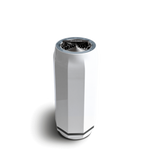
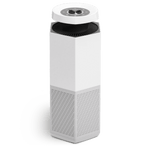
Puraclenz Core combines activated carbon, True HEPA filtration, UV-C, and Photocatalytic Oxidation (PCO) technology in one system.
Puraclenz Core is designed to reduce lingering odors while also addressing dust, pet dander, pollen, VOCs, smoke, and other indoor pollutants.
How Puraclenz Core Can Help with Musty Basement Odors
Puraclenz Core is a 2-in-1 True HEPA and PCO air purifier designed for continuous air and surface purification. Its purification platform combines PCO, activated carbon, UV-C, and True HEPA filtration.
This combination can be especially useful in a basement, where musty odors may occur alongside dust, allergens, mold-related particles, and other airborne pollutants.
The Core's True HEPA filter is designed to trap 99.97% of dust, pollen, pet dander, allergens 4, bacteria 3, and mold 1 down to 0.1 micron.
Core also includes activated carbon filtration, which can help address certain odor-related compounds. Core is designed to help you reduce lingering odors along with other indoor pollutants.
For homeowners dealing with a combination of musty basement odors and airborne particles, this multi-stage approach can provide broader indoor air quality support than particle filtration alone.
Can an Air Purifier Get Rid of a Musty Basement Smell?
An air purifier can help reduce lingering odors, but it cannot fix the underlying cause of a damp or musty basement.
If the smell keeps returning, inspect the basement for conditions that may be contributing to the problem:
- Check walls, floors, windows, and plumbing for visible moisture or leaks.
- Monitor basement humidity levels.
- Look for damp cardboard, carpeting, upholstery, insulation, or stored fabrics.
- Inspect corners and enclosed areas with limited airflow.
- Repair leaks or sources of water intrusion.
- Clean affected surfaces using appropriate methods.
- Remove or replace materials that remain damp or contaminated.
- Consider professional assessment if persistent moisture or contamination is suspected.
Once the source of the moisture or odor has been addressed, continuous air purification can help manage remaining airborne pollutants and lingering smells.
Why Basement Humidity Matters
Humidity plays a major role in basement odor problems. Excess moisture can become trapped in porous materials, allowing musty smells to persist or return even after cleaning.
For that reason, a strong basement odor-control strategy should combine humidity management and air purification.
Depending on the conditions in your home, this may include using a dehumidifier, improving airflow, repairing leaks, removing damp materials, and operating an air purifier continuously.
An air purifier does not remove moisture from the air, so it should not replace a dehumidifier when basement humidity is too high. Instead, the purifier's role is to continuously process the air and help address pollutants and odors within its operating area.
Air Purifier vs. Dehumidifier for Basement Smell
Air purifiers and dehumidifiers perform different jobs, and many basements can benefit from using both.
A dehumidifier removes excess moisture from the air, helping create conditions that are less favorable for persistent dampness and musty odors.
An air purifier processes the air to help capture or reduce airborne particles, odors, and other pollutants, depending on the technologies it uses.
If high humidity is contributing to your basement smell, reducing moisture should be a priority. Once humidity is under better control, an air purifier can provide continuous support for the remaining airborne pollutants and odors.
Where Should You Put an Air Purifier in a Basement?
Proper placement can improve how effectively an air purifier circulates and processes basement air.
Place the purifier in an open area where air can move freely around the unit. Avoid positioning it directly against walls, furniture, storage boxes, or other objects that could block the air intake or exhaust.
If the odor is strongest in one part of the basement, placing the purifier near that area may help it process the surrounding air more effectively, provided airflow around the unit remains unobstructed.
For basements divided into multiple enclosed rooms, one purifier may not circulate air equally throughout every space. Closed doors, walls, and airflow patterns can limit how easily air moves from one area to another.
How Long Should You Run an Air Purifier in a Basement?
For persistent basement odors and indoor air quality concerns, continuous operation can provide more consistent air processing than running a purifier only occasionally.
Puraclenz Core is designed for continuous use. For 24/7 operation, Puraclenz recommends replacing the Core filter approximately every 4–6 months, depending on the air quality of the installation space.
Core also includes indicator lights that notify users when filter maintenance is needed.
What to Look for in an Air Purifier for Basement Odors
When choosing the best air purifier for basement smell, look beyond products that simply mention “odor removal.” Consider technologies and features that address multiple aspects of basement indoor air quality.
Useful features can include:
- Activated carbon to help address certain odor-causing compounds
- True HEPA filtration for airborne particles
- PCO technology for additional air and surface purification
- Continuous air circulation
- Filter-change indicators
- Appropriate coverage for the size and layout of the basement
Puraclenz Core combines activated carbon, True HEPA filtration, UV-C, and PCO technology in one system designed to address odors along with a broad range of indoor pollutants.

How to Keep a Basement From Smelling Musty
For the best long-term results, focus on both the source of the odor and the quality of the basement air.
- Keep basement humidity under control.
- Repair leaks and water intrusion promptly.
- Improve airflow where possible.
- Avoid storing cardboard or fabrics in damp areas.
- Remove water-damaged materials when necessary.
- Keep the basement clean and organized.
- Use continuous air purification to help manage airborne pollutants and lingering odors.
Addressing moisture first and air quality second creates a more complete approach than relying on fragrance, odor absorbers, or air purification alone.
Do Air Purifiers Help With Musty Basement Odors? The Bottom Line
Yes, air purifiers can help with musty basement odors, especially when they include technology designed to address both airborne particles and odor-causing compounds.
However, an air purifier should not be used as a substitute for fixing moisture problems. If your basement smells musty, begin by identifying leaks, excess humidity, damp materials, or other potential odor sources. Then use air purification as part of an ongoing strategy to help manage pollutants and lingering smells.
If you're looking for an air purifier for basement smell, Puraclenz Core combines activated carbon, True HEPA filtration, UV-C, and PCO technology in one system designed for continuous air and surface purification.
Recommended products

Core Air & Surface Purifier + HEPA
$487.49
Recommended articles

