 Free Shipping
 2-Year Warranty
 30-Day Money Back Guarantee

Back-to-School Germs: Can Air Purifiers Help?
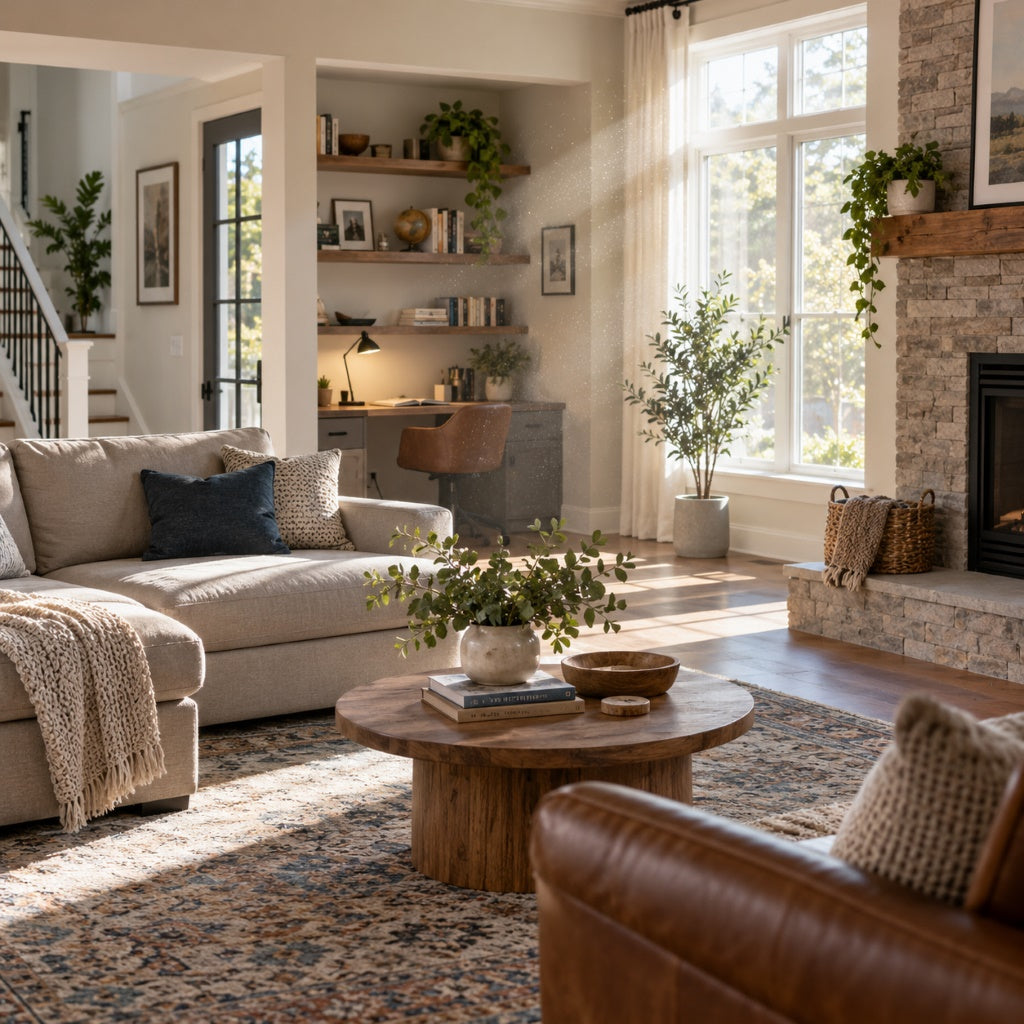
Back-to-school season means new routines, busy classrooms, shared spaces, and more time spent indoors. As students and teachers gather in close quarters, families may start thinking about ways to improve indoor air quality and reduce exposure to everyday airborne pollutants.
An air purifier for germs can be one part of that approach. While air purification cannot replace handwashing, cleaning, ventilation, or other recommended practices, the right technology can help reduce certain airborne pollutants, including viruses 2 and bacteria 3.
Why Back-to-School Season Can Affect Indoor Air Quality
Classrooms, buses, cafeterias, gyms, and homes become busier once the school year begins. People spend more time together indoors, sometimes in spaces where airflow and ventilation may be limited.
According to the CDC, small particles released when people breathe can contain virus 2 particles. Improving ventilation, increasing airflow, and using portable air cleaners can help reduce the concentration of airborne particles indoors.
Close contact and frequently touched shared objects can also contribute to the spread of common illnesses in school environments. That makes cleaner indoor air one part of a broader approach to managing exposure throughout the school year.

Can an Air Purifier Help with Germs?
Yes. An air purifier can help improve indoor air, but its effectiveness depends on the purification technology and the pollutants it is designed to address.
Traditional filtration systems capture particles as air passes through a filter. Other purification technologies work differently. Puraclenz Photon uses patented photocatalytic oxidation (PCO) technology to generate ions that dynamically deactivate pollutants in the air and on surfaces.
For families researching an air purifier for bacteria, Photon has been independently tested against specific bacteria 3. Laboratory testing reported 99.7% effectiveness at reducing Methicillin-Resistant Staphylococcus epidermidis in the air and 95% effectiveness at reducing Staphylococcus aureus on surfaces under stated laboratory conditions.
Photon has also been independently tested against specific viruses 2. Testing reported a 99.4% reduction of MS2 bacteriophage virus 2 in the air and a 58% reduction of SARS-CoV-2 on surfaces under stated laboratory conditions.
What Makes Puraclenz Photon Different?
Photon is designed as an air and surface purifier rather than a conventional filter-only air purifier. Its PCO technology generates ions that work throughout the air and on surfaces, providing continuous purification beyond the air that passes directly through the unit.
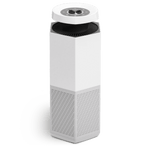
The Photon P3000X is designed for spaces up to 3,000 square feet and features continuous operation, five fan speeds, and a four-hour Boost Mode.
During the school year, continuous purification can be particularly useful in frequently occupied areas such as bedrooms, family rooms, playrooms, and home study spaces.
Does Photon Have a Washable Filter?
Filter maintenance is an important consideration when choosing an air purifier. Some homeowners specifically look for an air purifier with a washable filter because they want a simpler maintenance routine and fewer disposable components.
Photon includes a washable Pre-Filter. The Pre-Filter should be replaced or washed approximately every six to seven months, depending on the air quality of the installation space and assuming continuous use. An indicator light lets users know when the Pre-Filter needs attention.
This makes Photon an option for shoppers comparing air purifiers with washable filters. However, the washable Pre-Filter should not be confused with Photon's primary purification technology. The Pre-Filter supports the system, while PCO technology generates the ions responsible for air and surface purification.
Air Purifiers Are One Part of a Healthy Back-to-School Routine
An air purifier works best as part of a broader indoor-air strategy. CDC guidance for schools includes cleaner air, handwashing, respiratory etiquette, appropriate cleaning practices, and vaccination.
At home, families can support cleaner indoor air with practical habits such as:
- Improving airflow when outdoor conditions allow.
- Maintaining HVAC systems and replacing filters according to manufacturer recommendations.
- Encouraging regular handwashing after school and before meals.
- Cleaning frequently touched household surfaces.
- Keeping bedrooms and common areas well ventilated when practical.
- Using an appropriately sized air purifier in frequently occupied spaces.
CDC guidance also notes that portable air cleaners can be considered in spaces with lower ventilation. Improved ventilation and filtration can help reduce concentrations of airborne virus 2 particles indoors.
Where Should You Place an Air Purifier During the School Year?
The best location depends on your home's size, layout, and where family members spend the most time. Frequently occupied rooms are usually a practical place to start.
- Bedroom: Run the purifier during occupied periods according to the manufacturer's operating guidance.
- Study area: Place a purifier near areas where children spend extended periods doing homework or studying.
- Family room: High-traffic shared spaces can benefit from continuous air purification.
- Playroom: Rooms where children regularly gather may also be useful locations for a purifier.
For larger areas, always check the manufacturer's recommended coverage before selecting a unit. Photon P3000X is designed for spaces up to 3,000 square feet.
What to Look for in an Air Purifier for Germs
If your goal is cleaner indoor air during back-to-school season, look beyond the word "germs" on the product label. Consider the purification technology, coverage area, maintenance requirements, operating method, and available laboratory testing.
Questions to consider include:
- What types of pollutants has the technology been independently tested against?
- Does the purifier address airborne pollutants, surfaces, or both?
- What size space is the purifier designed to cover?
- How often do filters or other components require maintenance?
- Can the system operate continuously?
- Can the purifier complement your existing ventilation and HVAC system?
Photon uses PCO purification, operates continuously, and the P3000X is designed to cover spaces up to 3,000 square feet. Puraclenz technology has also undergone independent laboratory testing involving specific viruses 2 and bacteria 3.

Back-to-School Air Quality: The Bottom Line
Back-to-school season means families spend more time around other people and in shared indoor environments. Cleaner indoor air can therefore become an important part of maintaining a healthier home throughout the school year.
For households looking for an air purifier for germs, Puraclenz Photon provides a PCO-based approach to continuous air and surface purification. Independent laboratory testing includes reductions of specific viruses 2 and bacteria 3, while the washable Pre-Filter provides a practical maintenance option for families searching for an air purifier with a washable filter.
Air purification should complement, not replace, good ventilation, hand hygiene, cleaning, and other recommended practices. Together, these steps can provide a more comprehensive approach to managing everyday indoor pollutants during the school year.
Frequently Asked Questions
Can an air purifier help with germs?
Yes. An air purifier can help reduce certain airborne pollutants. Some air purification technologies have also been independently tested against specific viruses 2 and bacteria 3. Results depend on the technology, testing conditions, room characteristics, and other factors.
Is Photon an air purifier for bacteria?
Photon is an air and surface purifier that uses PCO technology. Independent laboratory testing has shown reductions of specific bacteria 3 in the air and on surfaces under stated laboratory conditions.
Does Photon have a washable filter?
Yes. Photon includes a washable Pre-Filter. It should generally be washed or replaced approximately every six to seven months, depending on the installation environment and continuous-use conditions.
Can an air purifier replace ventilation?
No. Air purification and ventilation serve different purposes and work best together. CDC cleaner-air guidance includes outdoor-air ventilation, improved filtration, and portable air cleaners as complementary strategies.
Where should I place an air purifier during back-to-school season?
Frequently occupied spaces such as bedrooms, family rooms, playrooms, and study areas are practical places to consider. Always make sure the purifier is appropriately sized for the room or space.
What else can families do during back-to-school season?
Families can combine air purification with regular handwashing, respiratory etiquette, appropriate cleaning practices, and good ventilation. These measures work together as part of a broader approach to reducing exposure to everyday indoor pollutants and infections.
Recommended products

Photon Air & Surface Purifier
$299.99
Recommended articles

